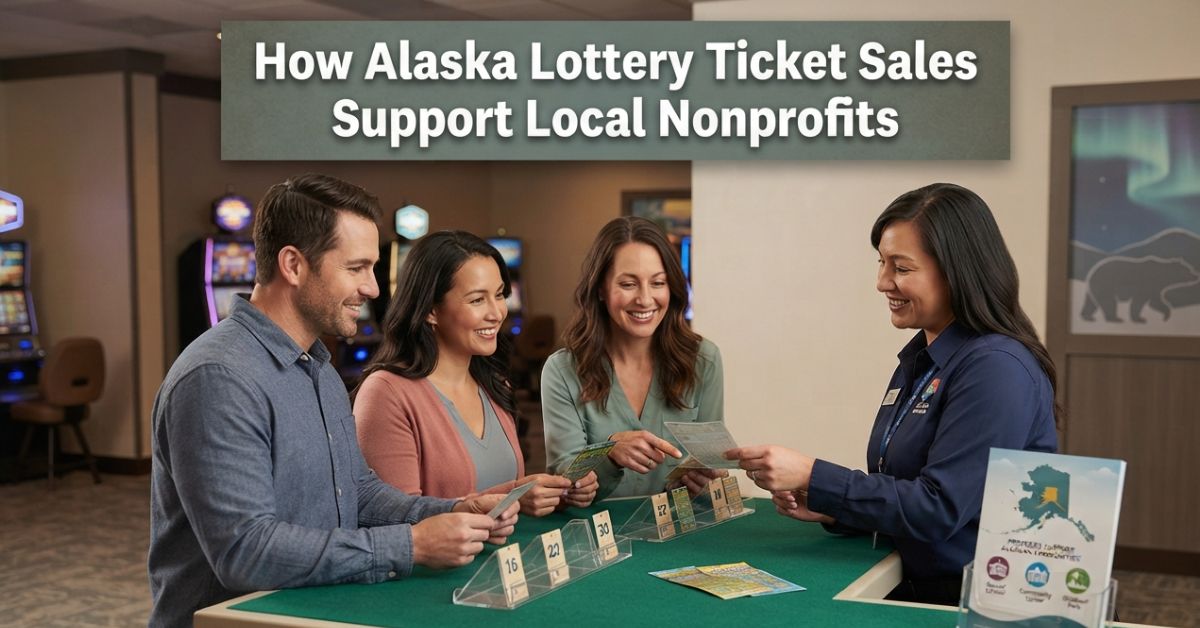
Buying a Catch the King ticket is often associated with weekly drawings and prize opportunities. But behind every ticket sale is another part of the program that many participants may not think about right away.
Catch the King operates as charitable gaming in Alaska. Along with funding prizes, ticket sales also help support participating nonprofit organizations. This connection between gaming and community organizations is what makes Alaska Lottery Charities different from many traditional lottery models.
For some players, that added community impact becomes an important part of the experience. Knowing where the money goes helps explain why charitable gaming continues to play a role in fundraising efforts across the state.
Why Alaska Lottery Supports Nonprofits?
The purpose of charitable gaming extends beyond entertainment. Alaska allows certain gaming activities to operate in a way that benefits nonprofit organizations while still providing participants with opportunities to win prizes.
This model strikes a balance between participation and fundraising. Organizations can raise money through authorized charitable gaming activities rather than depending solely on donations. One instance of how that system functions in reality is Catch the King.
Because the program operates within Alaska’s charitable gaming framework, nonprofit organizations have an additional avenue for generating support that may help them continue their work.
How Ticket Sales Help Local Organizations
Every ticket bought helps keep the game running smoothly. Although prizes play a significant role in the program, ticket sales also give participating nonprofit organizations financial opportunities.
This approach has become an important part of nonprofit fundraising efforts in Alaska. Rather than depending on a single source of funding, organizations can benefit from participation in charitable gaming activities that involve broad community engagement.
The result is a system where fundraising is tied to ongoing participation rather than one-time events. That structure can help create a more consistent source of support over time.
Where the Funds Go
Many people naturally wonder what happens after a ticket is purchased. A portion of ticket sales is distributed directly to participating nonprofit partners across Alaska. These funds help support a wide range of causes, including education, humanitarian efforts, health services, and local community programs.
What remains consistent is the goal of directing charitable gaming proceeds toward nonprofit purposes rather than limiting the impact solely to prize distribution.
Why Community-Based Funding Matters

Local organizations often work directly with the people and communities they serve. Because of that, access to funding can have a meaningful impact on their ability to continue providing programs and services.
Efforts that support Alaska community organizations help keep resources connected to local needs. Instead of funding being directed elsewhere, charitable gaming helps create opportunities for organizations operating within Alaska.
This local connection is one reason many people appreciate the charitable aspect of the program. The benefits can extend beyond the game itself and reach communities throughout the state.
How Players Support Nonprofits Through Participation
Most participants purchase tickets because they enjoy the game. At the same time, their involvement contributes to a larger charitable framework.
This creates a simple way to support charity through lottery participation without requiring a separate fundraising event or donation campaign. By taking part in the game, players become part of a system that helps generate support for nonprofit organizations.
For many people, that connection adds another layer of value to the experience. The opportunity to participate in a game while contributing to charitable efforts can make the activity feel more meaningful.
How Charitable Gaming Differs From Traditional Lottery Models?
Charitable gaming may initially seem similar to traditional lottery systems. Both include opportunities to win prizes and sell tickets. The distinctions are found in the way the programs are structured and who benefits from participation.
Under Alaska charitable gaming regulations, nonprofit organizations play an important role in the process. The charitable component is built into the model itself rather than existing as a separate activity.
This distinction helps explain why charitable gaming is often viewed differently from traditional lottery programs. Community support is part of the structure from the beginning.
The Impact of Alaska Lottery Charities
The impact of Alaska lottery charities extends beyond individual drawings or jackpot amounts. Over time, charitable gaming creates opportunities for nonprofit organizations to benefit from continued participation.
Among the nonprofits supported through Catch the King are Big Brothers Big Sisters of Anchorage and Anchorage Cops for Community, two charitable partners that benefit from ticket sales. These are real, local organizations serving Alaskans directly, and their participation reflects the community-first approach that defines the Catch the King program.
The interaction between players, charitable gaming, and nonprofit organizations contributes to the development of a multifunctional model. It creates opportunities for fundraising, offers entertainment, and fosters stronger ties within the community.
Final Thoughts
Catch the King is known for its drawings and prize opportunities, but there is another side to the program that deserves attention. Through charitable gaming, ticket sales help create funding opportunities for participating nonprofit organizations across Alaska.
The work supported by Alaska lottery charities reaches beyond the game itself and into local communities. For participants, that means each ticket contributes to something larger than a drawing result.
And while people may join for different reasons, many appreciate knowing that the program combines participation, fundraising, and community impact in a single charitable gaming model.
FAQs
How do Alaska Lottery ticket sales support nonprofits?
Ticket sales help generate revenue that supports participating nonprofit organizations through Alaska’s charitable gaming framework.
What organizations benefit from ticket sales?
Eligible nonprofit organizations that participate in the charitable gaming program may receive support through the funds generated by ticket sales.
Is Catch the King part of charitable gaming?
Yes. Catch the King operates under Alaska’s charitable gaming regulations and includes nonprofit participation.
How does charitable gaming differ from traditional lotteries?
Charitable gaming includes a nonprofit fundraising component that helps support eligible organizations in addition to offering prize opportunities.
Can players support local nonprofits by participating?
Yes. When people participate in Catch the King, their ticket purchases contribute to a charitable gaming structure that helps support nonprofit organizations.